
Skincare During Pregnancy
Pregnancy is a special period in every woman’s life, during which significant changes take place in her body. The skin, as the largest organ by area, is greatly affected. Physiological changes can lead to some new imperfections, as more blood circulates and more water is retained—while at the same time the famous “pregnancy glow” may appear, where the complexion is more radiant than ever.
Let’s take a look at the physiological changes that occur during pregnancy and how they manifest on the skin.
Hyperpigmentation
First on the list is hyperpigmentation. Pregnancy is characterized by a changing endocrine, metabolic, and immunological environment. The dramatic hormonal changes cause increased melanin production, which in 70% of women results in dark spots, known as chloasma and melasma, on the face.
Melasma—also called chloasma or “the mask of pregnancy”—tends to persist and not fade after pregnancy ends in women with a darker phototype, which poses a therapeutic challenge. These areas of darker color are generally brown and often bilateral and uniform. The hyperpigmentation caused by hormonal changes during pregnancy can also cause changes in the color of moles and freckles. Some dark moles, freckles, and birthmarks may be harmless. But it’s always a good idea to see a dermatologist or doctor about any changes in size, color, or shape.
Acne Breakouts
Increased sebum production causes acne breakouts, usually seen in the first and second trimesters of pregnancy, as well as during breastfeeding. This happens regardless of whether there was any prior history of acne-prone skin. The main cause of pregnancy acne is the rise in the levels of pregnancy-related hormones called androgens. These hormones play a role in organ development, in certain nerve functions, and in the sexual differentiation of the fetus, among other things. Androgens can cause the skin glands to grow and overproduce sebum, which—combined with shed skin cells—clogs the pores, creating an environment in which bacteria can multiply quickly, leading to inflammation.
Dryness
Hormonal fluctuations are also responsible for the skin dryness and loss of elasticity that some women experience, as well as for irritation and sensitization.
Vascular Changes
To support the baby’s development, during pregnancy the expectant mother also experiences a significant increase—between 40% and 50%—in the blood flow circulating through her body. This change affects the circulatory system and, above all, the blood vessels, which dilate to allow more blood to pass through. Vascular changes include the appearance of spider angiomas on the face (in two-thirds of pregnant women) and varicose veins in the lower limbs. The influence of hormones on the appearance of varicose veins and telangiectasias (spider veins) remains notably significant. Progesterone causes the vein walls to dilate, which increases the diameter of the veins and in turn slows blood flow, resulting in the failure of the venous valves. These end up creating larger veins and, consequently, varicose veins and spider veins. Estrogens, despite favoring venous constriction, cause the dilation and proliferation of blood vessels during pregnancy and bring about changes in vascular structure.
Stretch Marks
Stretch marks are perhaps the best-known skin change of pregnancy. They are caused by a combination of the physical stretching of the skin, the tearing of certain tissue fibers that hold the skin together, and the effects of hormonal changes on skin elasticity. These lines appear in 90% of pregnant women during the 6th and 7th months of pregnancy, first on the abdominal wall and later on the breasts to a lesser degree and with lower frequency and severity; they may also be observed in other areas of the body. Although stretch marks are common, their pathogenesis remains unclear. Mechanical tension may play a pathogenic role by damaging the dermal connective tissue, since the long axis of the lesions is usually oriented perpendicular to the direction of greatest skin stretching.
Skincare During Pregnancy and Breastfeeding
Daily skincare should not stop during pregnancy and breastfeeding.
It should be adapted appropriately based on two parameters:
A. The type and needs of the pregnant woman’s skin
B. The safety of the fetus
Three of the most popular ingredients used in daily skincare are retinol, salicylic acid, and hydroquinone. Although there are no clinical studies confirming a harmful effect from topical application, their use during pregnancy should be avoided as a precaution.
An extremely effective and safe ingredient that can be used during pregnancy to replace the popular retinoids and salicylic acid is vitamin B3, also known as niacinamide. It is a multifunctional ingredient with the ability to regulate and repair several skin functions. More specifically, it inhibits hyperpigmentation, regulates oiliness, controls inflammation, strengthens the skin’s defenses, and restores the epidermal barrier—helping the skin retain moisture and stay hydrated. Vitamin B3 is recommended for use morning and night, even during the summer months, as it does not cause photosensitivity.
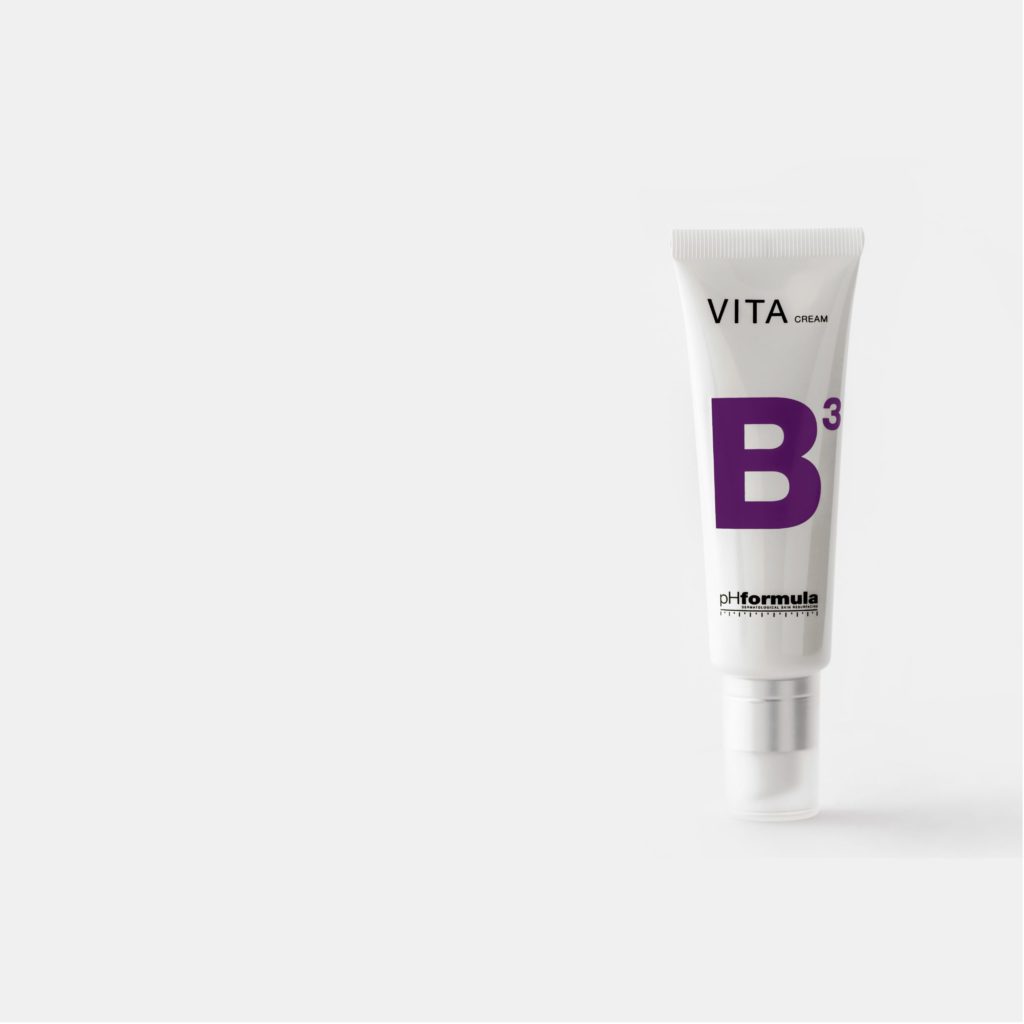
pHformula, recognizing the benefits that niacinamide offers, incorporates it into most of the formulations of its treatments and skin therapies. Among these, it has developed a cream with a high concentration of vitamin B3 with 24-hour moisturizing properties to deliver immediate and intensive hydration. The lightweight-textured V.I.T.A. B3 24 hour cream contains niacinamide at a prescription strength of 5%, which actively drives superior skin restoration and is ideal for both daily and long-term application. Its formulation includes a 24-hour moisturizing complex made up of a synergistic blend of natural moisturizing agents that provides long-lasting hydration and protection for the skin.
Thanks to its highly effective formulation, it:
- Intensively boosts hydration by 112% after just 2 hours.
- Retains moisture by holding water in the skin.
- Protects the skin from environmental aggressors and free radicals.
- Restores the skin’s softness, comfort, and volume.
- Improves irritation/redness due to rosacea.
- Minimizes age spots.