
Preventing Skin Aging at a Young Age
Most young people place greater emphasis on protecting and strengthening the skin’s functions, adapting their care to the different needs that arise at each phase of their lives. However, the secret—and the goal—is to keep the skin healthy and resilient over time, so that it ages naturally and beautifully.
Aging is a process we cannot avoid. There is, however, a way to slow its pace by controlling the factors that cause it. A very good solution is to use modern pharmaceutical-cosmetic (cosmeceutical) products that combine research, technology, and science, and that are absolutely essential for protecting the skin from exogenous and endogenous aging factors.
Daily Facial Care Routine
Ages 20–30
This decade is the ideal time to establish a daily skincare routine—one we should follow consistently so that our skin thanks us in the future. That said, the choice of products should be made by specialized dermatologists or estheticians, since every skin has its own particularities and needs a personalized approach.
Within this framework, we recommend the right treatment you can do yourself at home with pHformula products, which are grounded in the philosophy of a personalized approach and deliver excellent results for skin aging as well as hyperpigmentation, acne, and very sensitive skin.
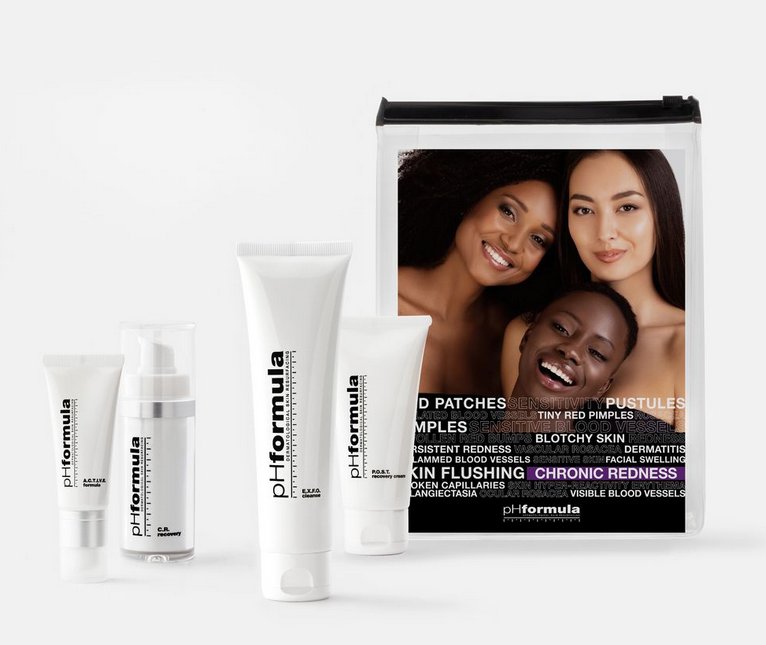
1. Sunscreen
Photoaging is the most significant cause of skin aging, and sunscreen is the most valuable ally in preventing it. Since the sun’s effect on our skin is cumulative (it begins at birth and never stops), it is recommended to wear sunscreen 365 days a year—even on the cloudiest days—because the sun’s ultraviolet rays penetrate through the clouds and set off a process that releases free radicals, which destroy collagen.
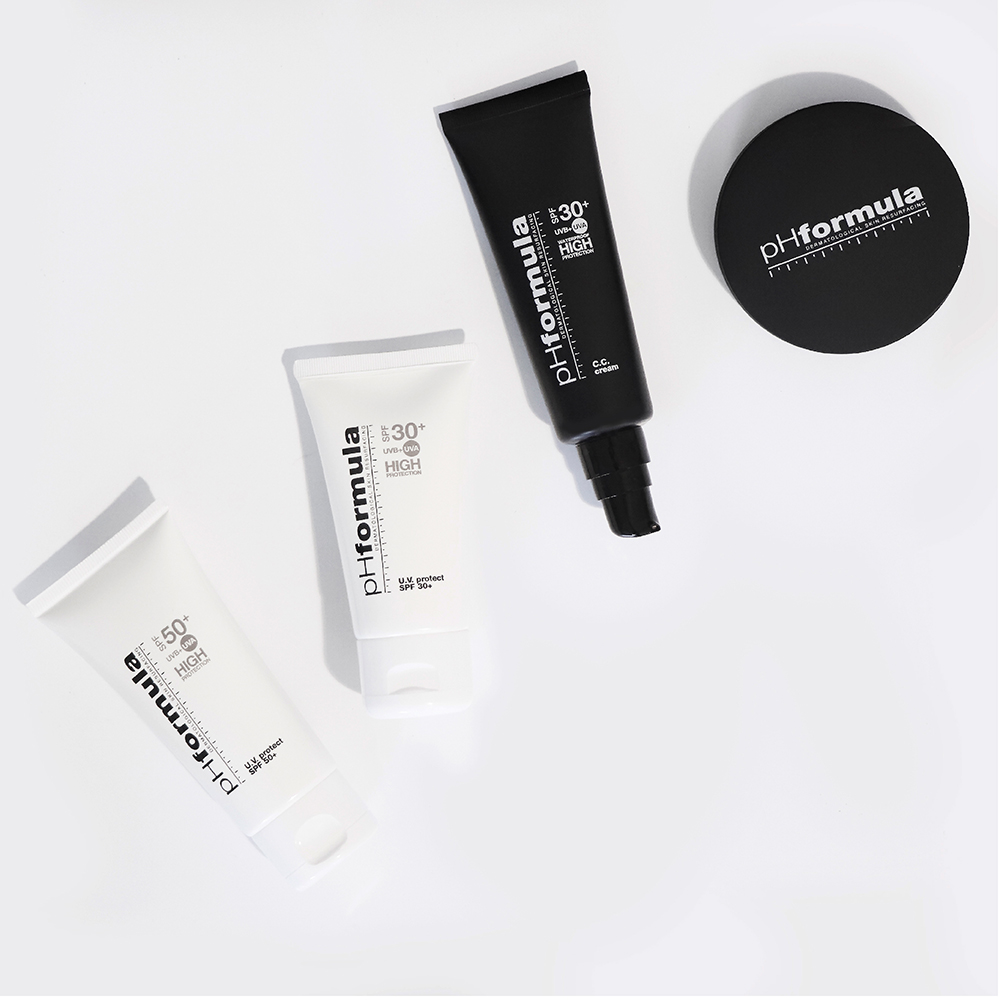
For this age group, we recommend applying lightweight, oil-free sunscreens that do not clog the skin’s pores and that contain antioxidant properties. An ideal sunscreen is the C.C. cream SPF 30+ with vitamin C and retinol. Its sun filters block the accelerated aging caused mainly by UVA and UVB rays.
2. Regular Facial Cleansing (morning and night)
Cleansing the face is especially important and should be done regularly every morning and night. That said, we use cleansing products that do not contain saponifying (soap-based) agents and do not dehydrate the skin. So every night, before our skincare routine, we should not forget to carefully remove makeup, so that our skin is clean and can breathe during sleep.
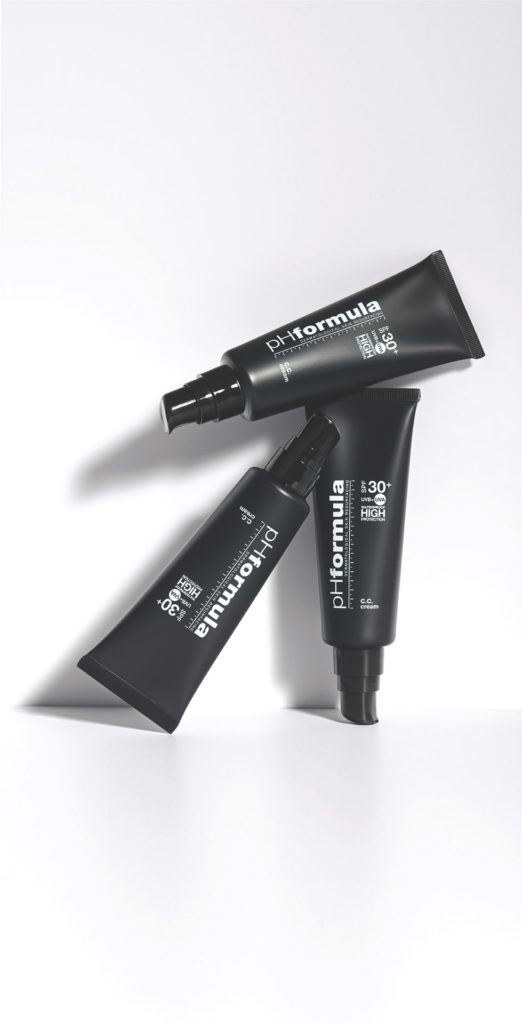
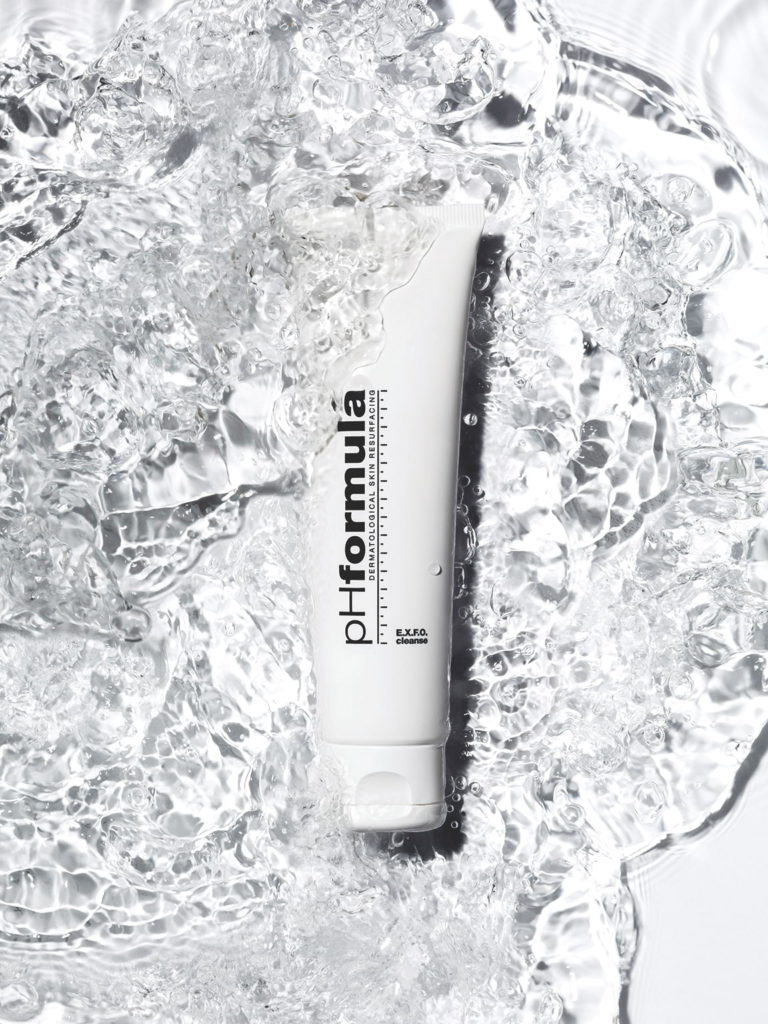
pHformula’s E.X.F.O. cleanse regulates oiliness, provides gentle exfoliation, and removes dead skin cells through the enzymes it contains. It is also a favorite product that cleanses deeply without drying out the skin at all.
3. Hydration
Retaining moisture is very important for preventing skin aging. The human body is made up of 60% water, so skin needs a great deal of hydration. If it is not properly hydrated, the skin starts to become less radiant, duller, and more vulnerable to the signs of aging.
For these ages, we recommend pHformula’s vitamin-enriched creams—VITA B3 cream, VITA C cream, and VITA D cream—which provide 24-hour hydration according to each skin’s needs. Very sensitive and oily skin needs vitamin B3, while skin prone to discoloration needs vitamin C. In addition, there is an innovative product, VITA D cream, which enhances the absorption of vitamin D and helps maintain the skin’s integrity by protecting the microbiome.

4. Antioxidant Ingredients
Antioxidant ingredients are essential in our diet and in our daily skincare because they create a protective shield for the cells of our skin. The most well-known antioxidant ingredient is vitamin C, while in recent years we have discovered ferulic acid, an acid with powerful antioxidant action that, when combined with vitamin E in cosmetic formulations, stabilizes and doubles its potency.
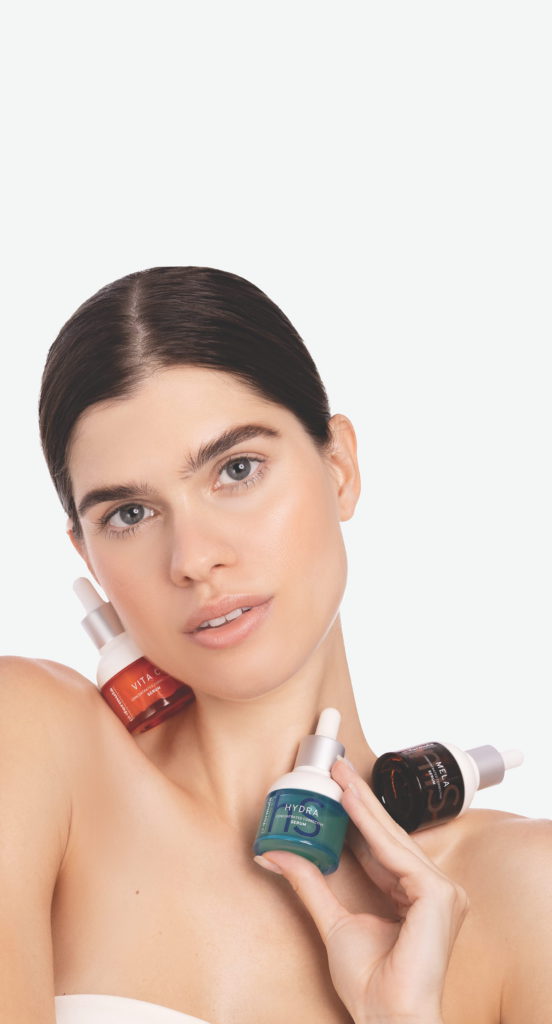
In this case, we recommend wearing an antioxidant serum under your sunscreen in the morning and under your moisturizer at night, such as pHformula’s VITA C concentrated corrective serum and the HYDRA concentrated corrective serum, which contains ferulic acid, vitamin E, hyaluronic acid, and peptides.
5. Retinoids
Most people first encounter retinoids in their teenage years, when they develop the first signs of acne. Their main representative is retinol, a derivative of vitamin A and a favorite ingredient of dermatologists. It also has a broad spectrum of action, working on multiple levels to renew cells, reduce discoloration, regulate sebum production, and boost collagen production.
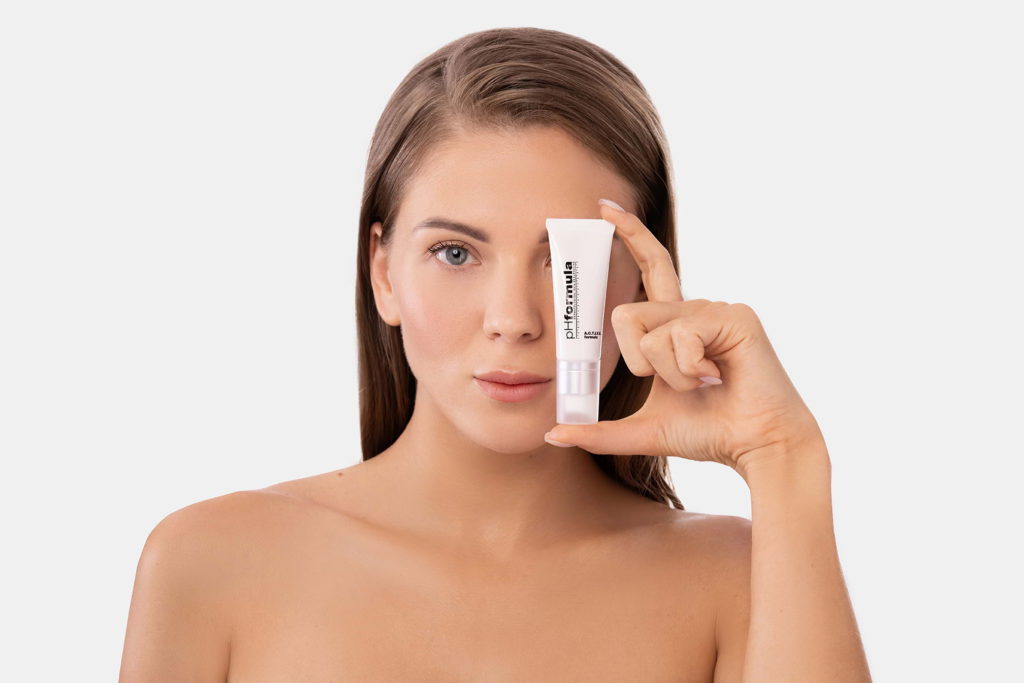
For beginners, we recommend pHformula’s C.R. recovery, which—despite having a fairly high concentration of retinol—does not cause skin sensitivity or irritation, thanks to its delivery technology (PH-DVC™). Once the skin becomes more resilient, you should introduce the A.C.T.I.V.E. formula, which contains retinol and AHA to rebuild the skin’s inner layers and immediately repair the first signs of aging.
Resurfacing Treatments
Ages 30–35
One particularity of this age is that the “damage” visible on the skin’s surface is less than what is taking place in the deeper layers. This is the level we should focus on, and it’s time to begin resurfacing treatments. With these, we accelerate cellular proliferation and restore the skin’s “architecture,” improving its health and, by extension, its appearance.
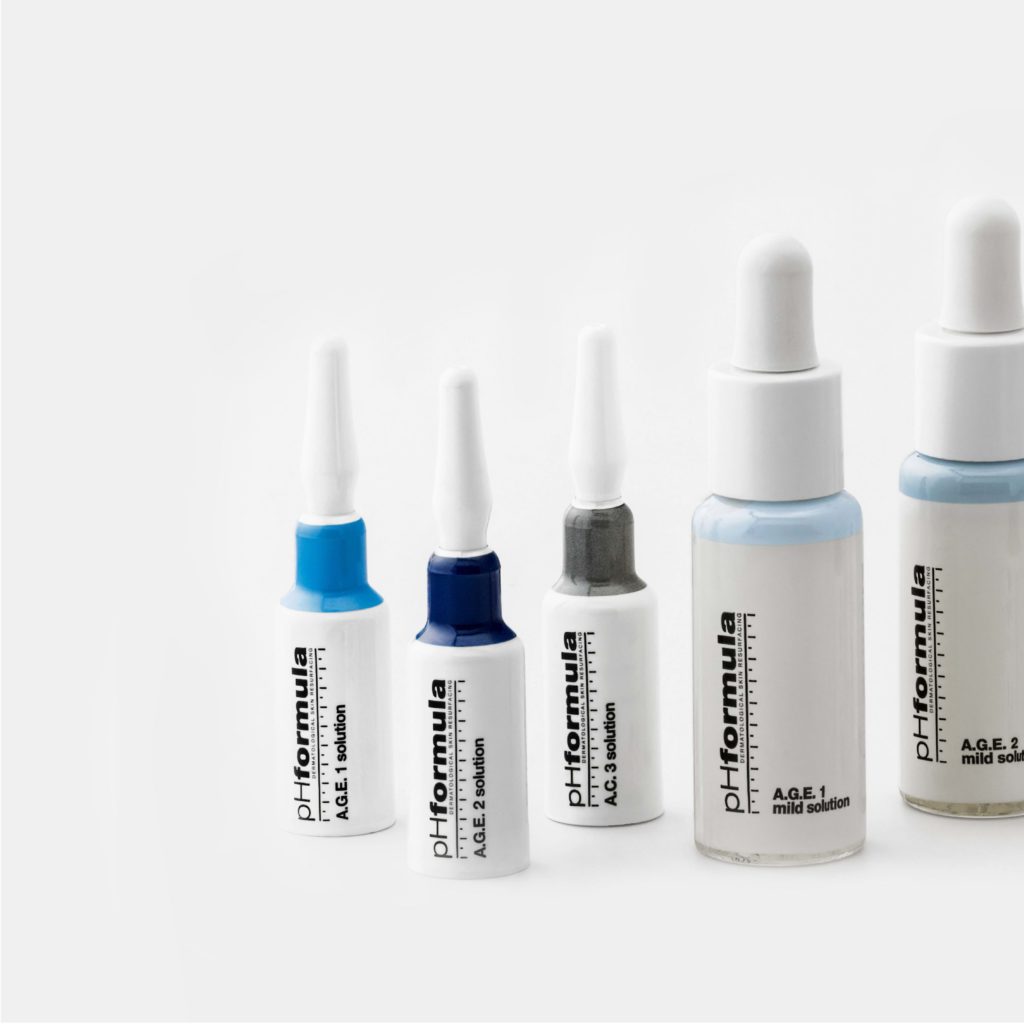
For this age group, we recommend pHformula’s A.G.E and M.E.L.A Resurfacing treatments. The innovation of these next-generation treatments allows the active ingredients (AHA and retinol) to be delivered into the deeper layers of the skin, causing little to no peeling, without damaging or disrupting the epidermal barrier.
Resurfacing treatments begin with a cycle of 4 sessions every 2 weeks, after which the results are evaluated.
Ages 35–40
After the age of 35, expression lines become increasingly pronounced, and facial volume loss begins. The hyaluronic acid produced is less than what is broken down each day, resulting in a negative balance.
Given that the daily care routine is adjusted accordingly and becomes more intensive, it is considered necessary to begin treatments with botulinum toxin and hyaluronic acid dermal fillers. More specifically:
1. Botulinum Toxin Treatment
Facial wrinkles are divided into dynamic wrinkles—those that form during movement—and static wrinkles—those that are visible at rest. The static wrinkles that form in various spots make the face look angry, sad, and tired.
The age at which treatment begins depends on various factors, such as heredity, the degree of photoaging, habits like smoking, skin type, and more; the goal of this treatment is to preserve harmony and achieve a natural result. The amounts of type A botulinum toxin (BOTOX–DYSPORT) and the spots where it is applied are personalized, with great attention paid to the particularities of each face.
2. Hyaluronic Acid Dermal Filler Treatment
Today we know quite a lot about how the face ages. Facial aging is a volumetric aging that starts from the bones. Specifically, certain changes occur that result in the sagging of the skin:
A. The bones of the skull shrink
B. The fatty tissue is absorbed
C. Collagen and elastin decrease
The modern approach today is not to “fill in” wrinkles but to address them the right way. The use of injectable hyaluronic acid dermal fillers must be carried out with knowledge, experience, and reliability, using safe materials, following careful selection and on a case-by-case basis.

The golden rule is “less is more,” with the primary goal being a natural, harmonious result for the face. After all, aesthetic treatments should rest and refresh the face—without being detectable!
Learn more from Dermatologist–Venereologist Dr. Maria Miligkou in the following video.